
Tag: energy

  • Indiana Ranks 10th in the Nation for Solar Growth in 2024: A Bright Future for Renewable Energy

    Indiana Ranks 10th in the Nation for Solar Growth in 2024: A Bright Future for Renewable Energy

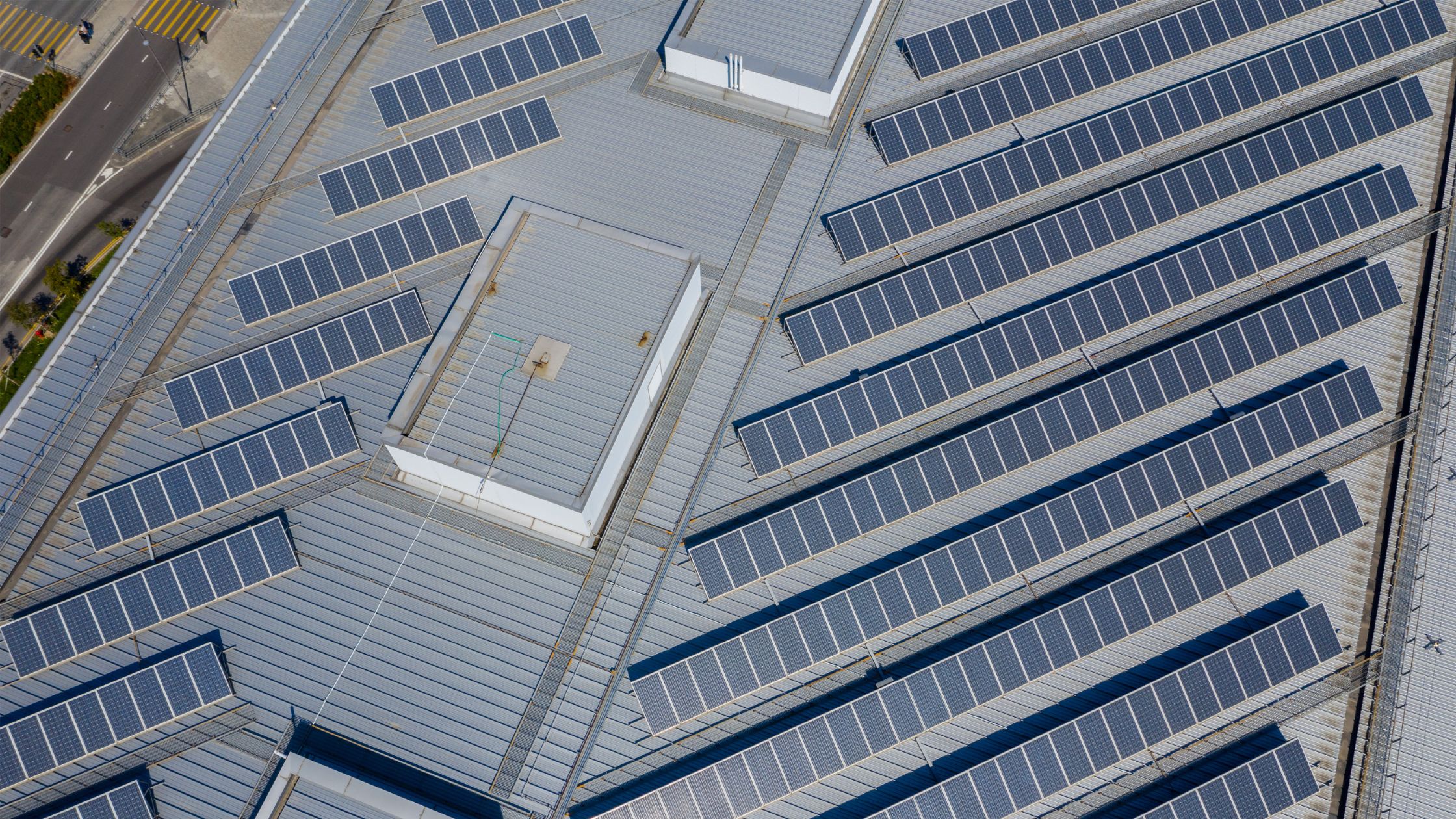
    In 2024, Indiana emerged as a national leader in solar energy growth, securing the 10th spot in the United States for new solar capacity additions. This remarkable achievement underscores the state’s commitment to renewable energy and its potential to transform its energy landscape.

    chart with trend lines for 10 states including Indiana showing growth in solar installations from 2012 to 2024, when Indiana ranked 10th for new solar; the state ranks 16 nationally

    A significant contributor to this growth is the Mammoth Solar project, located in Pulaski and Starke Counties. With a planned capacity of 1,600 megawatts (MW), it stands as one of the largest photovoltaic power installations in the United States. The first phase, Mammoth North, began construction in March 2022 and was completed in July 2024, adding 480 MW to the grid. This project alone is expected to power approximately 250,000 homes, showcasing the tangible benefits of large-scale solar investments.

    Beyond utility-scale projects, Indiana is poised to bring activate than $100 million in funds to bring solar energy to low-income communities across the state under the Solar Opportunities Indiana program.

    Designed to spur the deployment of residential distributed solar energy, Solar Opportunities Indiana, which is part of the federal “Solar for All” program, will lower energy bills for Hoosiers and catalyze transformation in markets serving low-income and disadvantaged communities.  

    The state’s overall solar capacity reached 3,539 MW by the end of 2024, ranking 16th nationally in total installed capacity. This capacity is sufficient to power approximately 428,674 homes, with solar energy accounting for 3.67% of Indiana’s electricity production. The sector also supports 4,103 jobs, a positive impact for the state’s economy.

    Indiana’s ascent in the national solar rankings is a testament to the collaborative efforts of policymakers, businesses and communities. By embracing renewable energy, the state is not only reducing its carbon footprint but also fostering economic growth and energy independence.

  • Federal Community Solar Program Extends 31% Average Monthly Bill Savings to Low-Income Households

    Federal Community Solar Program Extends 31% Average Monthly Bill Savings to Low-Income Households

    Good news for residents of states participating in the federal community solar program: Low-income households who subscribe through the Clean Energy Connector software can save an average of 31% on their monthly electricity bills.

    The Clean Energy Connector is a digital tool that makes community solar subscriptions with savings more accessible to households participating in government-run, low-income support programs.

    The initial phase of the federally run Clean Energy Connector program is offering subscriptions in Washington D.C., Illinois, and New Mexico. The Biden-Harris administration said this phase is expected to extend $15 million in annual savings to 40,000 households, which equates to about $31 in average monthly savings per household per month.

    PV Magazine, April 8, 2024

    Community solar is a great way for people who can’t install solar panels on their own roofs to benefit from solar energy. By subscribing to a community solar project, residents can purchase electricity from a shared solar installation. This can be a much more affordable option than installing solar panels on your own home.

    The Clean Energy Connector software makes it easy for residents to find and subscribe to community solar projects. The software also tracks the amount of solar energy that each resident is using so they can be billed accordingly.

    According to the U.S. Department of Energy, the Clean Energy Connector will be open to additional states throughout 2024 and 2025 if those states that have: 

    • Active community solar programs with specific measures to ensure access for low- to moderate-income customers.
    • New low-income community solar capacity coming online and are seeking subscribers within the next year.  
    • Secured support for the Connector from both the state community solar and state Low-Income Home Energy Assistance Program administering agencies. The agencies must agree to collaborate and commit staff resources to pilot the Connector. 

    Without a community solar program in place, Indiana will not be able to participate in this program.

    What this means for Indiana in the long term

    The extension of the federal community solar program to low-income households would be a positive development for Indiana. The program could help reduce energy costs for low-income residents, and it could also spur the development of new solar energy projects in the state.

    Indiana has a lot of potential for solar energy development. The state has a large amount of unused land that could be used for solar farms. Additionally, Indiana has a relatively sunny climate, which makes it a good location for solar energy production.

    The federal community solar program could help to accelerate the solar energy industry in Indiana. By making solar energy more affordable for low-income residents, the program could create a new market for solar energy developers. This could lead to the development of new solar farms in the state, which would create jobs and boost the state’s economy.

    In addition to the economic benefits, the development of solar energy in Indiana would also have environmental benefits. Solar energy is a clean and renewable source of energy, which does not produce greenhouse gas emissions. By increasing its use of solar energy, Indiana could help to reduce its carbon footprint and combat climate change.

    The extension of the federal community solar program to low-income households could be a huge opportunity for Indiana. As pilot programs launch in other states, we’ll be able to see the potential to help reduce energy costs for low-income residents, spur the development of new solar energy projects and create jobs that boost the state’s economy.